Gregory Kielma • March 31, 2024
Anti-Gun Governors & Mayors Are Learning More Guns Do Not Necessarily Mean More Crime

This "IT" is Evil..."It's" a BAD Human Being
Anti-Gun Governors & Mayors Are Learning More Guns Do Not Necessarily Mean More Crime
By TTAG Contributor -March 26, 202419
Several of the nation’s most ardent gun control activist governors and mayors of the largest metropolitans are staring down a divergent reality. They continue to stick with publicizing increasing gun control restrictions on law-abiding citizens as crime is going down in many – though not all – major cities, while gun sales continue to increase at “new normal” historically high rates.
The tired scare tactic of warning “more guns means more crime” is crumbling apart as millions of law-abiding Americans are awakening to what it means to be a lawful and responsible gun owner. The streak of more than one million NSSF-adjusted FBI National Instant Criminal Background Check System (NICS) verifications processed for the purchase of a firearm hit 55 months in February 2024.
Those firearm sales figures include significant increases in gun ownership in some of the country’s bluest states and cities. In those same areas, crime has been rampant over the past several years as politicians embraced “Defund the Police” efforts, bail reform policies and going soft on criminals.
The rest of the law-abiding population has pushed back in a resounding way.
Eyes on the Big Apple
One city where the divergent reality is most prominently seen today is New York City. Perhaps no city has seen more dissatisfied citizens about their feeling toward public safety than the Big Apple. It was a major factor under former accidental Mayor Bill de Blasio and continues under Mayor Eric Adams. That includes a stretch in 2022 where 70 percent of New York City residents felt unsafe.
That figure hasn’t improved much in the past year. The New York Times reported on a new poll showing that only 37 percent of city residents felt satisfied with the level of safety in their neighborhood. The same poll found that only half of residents admitted they planned to stay in the city past 2028.
“People are fed up with the quality of life. There’s a general sense of lawlessness. You go into the CVS and there’s shoplifting. People’s cars get vandalized,” Queens Councilman Robert Holden told The New York Post about the polling.
Despite residents still feeling unsafe in their city – particularly while New Yorkers still face spikes in crime on the city’s subway – two trends have overlapped to demonstrate why crime is actually falling a bit in New York City from the recent highs over the past few years: increases in gun ownership and law enforcement getting tough on criminals.
In New York City, the rampant crime of the past several years, as well as more recent events including rises in antisemitism, have contributed to large numbers of new law-abiding gun owners in the city. Women, African Americans, Jewish residents and even a collection of hundreds of the city’s bodega owners have all taken the Second Amendment into their own hands to purchase firearms. It’s also led to a decrease in crime so far compared to last year.
“Anyone that’s out there looking to rob us, hurt us, kill us – beware,” Fernando Mateo, a spokesperson for the United Bodegas of America recently said. “You may be walking into the wrong bodega because now we have the same firepower you have.”
All told, NSSF-adjusted FBI NICS verifications for the purchase of a firearm in New York have totaled nearly 1.6 million. That’s a lot of new, empowered New Yorkers taking their personal safety into their own hands and not relying on delayed or understaffed law enforcement. Criminals are taking note.
Busting Bad Guys
In addition to the massive number of new gun owners in the Big Apple, the falling crime rate is likely due to another logical effort that has nothing to do with placing more restrictions on law-abiding gun owners. Instead, it turns out that going after and getting tough on criminals who break the law has real, positive impacts on the city.
The Gothamist reported on a new survey released by the mayor’s Office of Criminal Justice and the New York Police Department that highlighted new information about what types of illegal guns police are seizing and where. The report breaks down more than 6,200 firearms that police seized between July 2020 and December 2021.
“About a third of [the seized firearms] had been used in a crime and about two-thirds had not. The guns that had not been used in a crime included those seized from people who didn’t have a license to possess a firearm, and weapons that people voluntarily turned over to law enforcement at gun buybacks,” the report stated. It should be noted that illegally possessing a firearm is, in fact, a crime.
The report also demonstrated that most of the seized firearms connected to a crime came from police precincts with high crime rates, reinforcing that police know where violent criminals are, that they are using and possessing illegal firearms and that those areas deserve the most attention.
Lastly, the crime report reinforced that illegally possessed handguns are, by far, the most commonly used firearm when a crime is committed. More than 70 percent of all the guns seized were handguns, with only eight percent being either a rifle or shotgun. When the report segments those guns out further to look at the “crime guns” the numbers are even more telling. More than 80 percent of recovered firearms were handguns with only three percent being a long gun.
This data tracks fairly closely with what the firearm industry has said for years: that the overwhelming majority of firearms used in crime are illegally obtained handguns and that, also, Modern Sporting Rifles (MSRs), which there are more than 28 million in circulation, are seldom used in a crime.
Not an Outlier
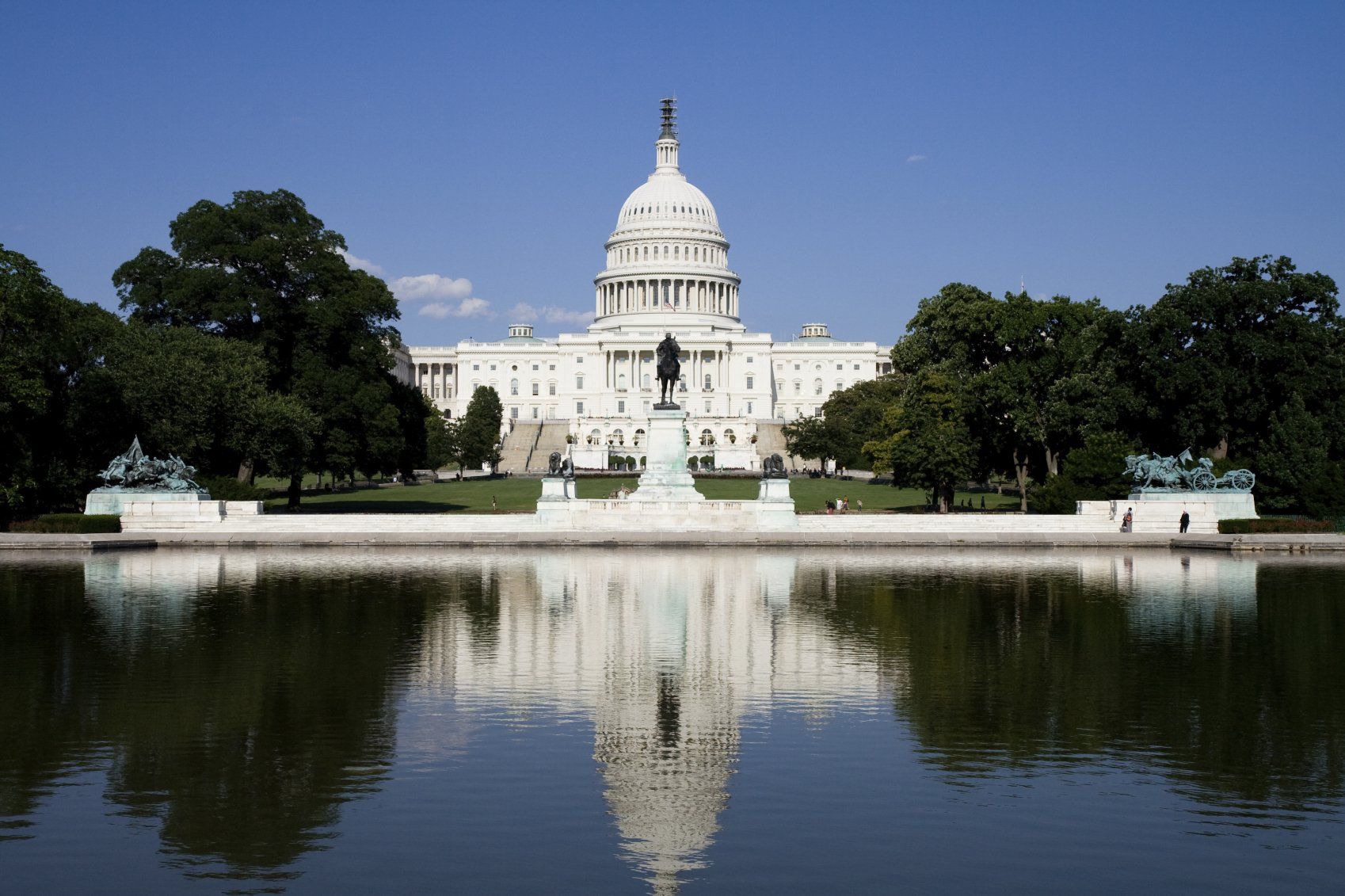
While crime is actually staying high in Washington, D.C., even though the city already implements nearly every gun control law imaginable, and a few other major cities that had notoriously soft-on-crime prosecutors or that severely cut police budgets, New York City isn’t an outlier. Across the country in major cities crime seems to be trending downward in the right direction.
Not all major cities can point towards new gun restrictions or gun control laws as the reason behind the decrease. But, in every state – including many of the major cities which often have Left-leaning, gun control supportive mayors – firearm sales have kept up at a blistering pace.
With more law-abiding gun owners, and with more states like Louisiana and South Carolina opting for permitless carry, it’s abundantly clear criminals have recognized they are facing more empowered and confident residents that won’t be such easy targets as victims anymore.

Mental Health and Firearms: A Responsible “Owner’s” Guide Gregg Kielma 01/03/2026 At Tactical K Training and Firearms , if I have concerns about a buyer who passes the background check, and something doesn’t feel right, it’s my duty to immediately report it to the ATF. In the past three years, there haven't been any incidents. If the situation is serious, I will not transfer a firearm to anyone I believe is mentally unstable. While I am not judge or jury, this is my policy to keep the public safe. Kielma says, here are my thoughts on this important subject. Agree or disagree, THIS IS MY POLICY. Let’s Take a LOOK Firearm ownership carries tremendous responsibility. Alongside safe handling, secure storage, and ongoing training, mental health is an essential part of responsible gun ownership. Understanding how emotional well-being intersects with firearm access helps protect individuals, families, and communities — and it reinforces the core values of safety and preparedness that every responsible gun owner should uphold. Why Mental Health Matters in Firearm Ownership Mental health affects judgment, awareness, and decision making. Just as physical health can impact a person’s ability to safely operate a firearm, emotional or psychological stress can influence how someone responds to pressure, conflict, or fear. Being mindful of mental health is not about stigma — it’s about preparedness. Responsible owners recognize that safety includes both the physical and emotional environment surrounding a firearm. Secure Storage Protects Everyone Safe storage is one of the most effective ways to prevent unauthorized or unsafe access. This includes: • Locking firearms in a secure safe or lockbox • Using cable or trigger locks when appropriate • Storing ammunition separately • Ensuring only trained, authorized individuals have access These practices protect children, visitors, and anyone who may be experiencing emotional distress. Recognizing When to Pause Access Life brings stress — job pressure, family conflict, grief, financial strain, or health challenges. During difficult periods, even highly trained and responsible gun owners may benefit from temporarily limiting access to their firearms. This can include: • Using additional locks • Storing firearms off site with a trusted, legally permitted individual • Utilizing storage services offered by some ranges or gun shops Taking a temporary pause is not a sign of weakness. It’s a sign of maturity, responsibility, and respect for the power of a firearm. Supporting Loved Ones Firearm owners often serve as leaders in their homes and communities. Being attentive to the mental well-being of loved ones is part of that leadership. You can help by: • Encouraging open, judgment free conversations • Recognizing signs of emotional distress • Ensuring firearms are secured when someone in the home is struggling • Guiding them toward professional support when needed A supportive environment can make a meaningful difference. Training and Education Build Confid ence Ongoing training reinforces safe habits and keeps skills sharp. At Tactical K Training and Firearms, we emphasize: • Situational awareness • De escalation • Avoidance and escape • Responsible decision making under stress These principles help ensure that firearm owners are prepared not just physically, but mentally as well. Kielma's Parting Shot: A Culture of Responsibility Responsible firearm ownership is built on a foundation of safety, education, and self-awareness. By acknowledging the role mental health plays in safe firearm handling, owners strengthen their ability to protect themselves and those around them. Promoting mental well-being is not separate from firearm safety — it is part of it. Gregg Kielma These are my thoughts and my policy.

Gregg Kielma Proud Owner of Tactical K Training and Firearms Why I Teach Avoid, Escape, and Defend — Not Killing By Gregg Kielma 01/03/2026 A Tactical K Training and Firearms and Gregg Kielma Perspective In every class I teach, I make one principle absolutely clear: the goal of self-defense is survival, not taking a life. At Tactical K Training and Firearms , my/our mission is to prepare responsible citizens to protect themselves and their loved ones with skill, confidence, and sound judgment. That mission begins with a mindset rooted in Avoid, Escape, and Defend. This approach isn’t just a teaching method — it’s a philosophy of responsible firearm ownership. Avoid: The First and Best Option The safest fight is the one you never have to be in. Avoidance is not weakness; it’s wisdom. Situational awareness, smart decision making, and recognizing danger early are the most effective tools anyone can carry. Kielma teaches his students to: • Identify potential threats before they escalate • Make choices that reduce risk • Trust their instincts and remove themselves from unsafe environments Kielma Advises: Avoidance keeps you alive, keeps you out of legal trouble, and keeps you from being forced into a situation no responsible person wants to face. Escape: When Avoidance Isn’t Enough Sometimes danger finds you even when you’ve done everything right. When that happens, the next priority is simple: get out. Escape is about: • Creating distance • Finding cover or concealment • Moving to safety as quickly as possible • Protecting others by leading them away from danger Kielma Advises: Leaving the area is not only tactically sound — it’s morally sound. Every step you take away from the threat is a step away from tragedy. Defend: The Last and Only Option Defense is never the first choice. It is the final choice — the one you make when every other option has been stripped away. I do not teach killing. I teach defending your life when you have no other reasonable alternative. If a student ever must use force, the goal is to: • Stop the threat • Survive the encounter • Stay within the law • Preserve life whenever possible Kielma Advises: Lethal force is not about taking a life — it’s about saving your own when you are left with no other option. Kielma Advises: Why This Matters There is a dangerous misconception in the world that firearms training is about aggression or violence. At Tactical K Training and Firearms , we reject that entirely. Kielma’s Students Learn: • De escalation • Judgment • Legal responsibilities • Ethical decision making • Respect for the power they carry Firearms are tools of last resort. Mindset, awareness, and preparation are tools you use every day. Kielma’s Parting Shot: A Commitment to Responsible Citizens Advises Kielma, I teach Avoid, Escape, and Defend because I want my students to go home safe — not to become heroes, vigilantes, or statistics. My goal is to empower people with the knowledge and discipline to make the right decisions under stress. At the end of the day, responsible training isn’t about taking life. It’s about preserving it. Gregg Kielma These Are My Thoughts

Concealed Carry vs. Open Carry: Understanding the Difference Gregg Kielma 1/3/26 When it comes to lawful firearm carry, two primary methods dominate the conversation: concealed carry and open carry. Both are legal in many states, but each comes with its own practical considerations, responsibilities, and advantages. Understanding the difference helps gun owners choose the method that best aligns with their lifestyle, training, and personal safety goals. Say's Gregg Kielma Owner; Tactical K Training and Firearms, Firearms Instructor, FFL, Fire Aid Instructor, and Gun Smith. Let's Take A LOOK Concealed Carry Concealed carry means the firearm is hidden from public view—typically under clothing or in a discreet holster. Benefits include: Discretion: You avoid drawing unnecessary attention or alarming others. Tactical Advantage: In a defensive situation, concealment prevents a potential threat from identifying you as an armed individual. Everyday Practicality: Ideal for those who want to blend in while maintaining personal protection. Concealed carry requires consistent training, proper holster selection, and a strong understanding of state laws. Many responsible gun owners choose this method because it prioritizes safety and minimizes public concern. Open Carry Open carry means the firearm is visible—usually holstered on the hip or chest. Benefits include: Deterrence: The visible presence of a firearm may discourage criminal behavior. Comfort: Larger firearms can be carried more easily without the need to conceal them. Accessibility: The firearm is often quicker to draw in an emergency. However, open carry can also attract attention, provoke unnecessary interactions, or make you a target in certain situations. It requires heightened situational awareness and a calm, professional demeanor. Kielma's Parting Shot: Which Is Right for You? The choice depends on your environment, comfort level, training, and local laws. Many responsible gun owners prefer concealed carry for daily life and reserve open carry for specific settings like private property, training environments, or rural areas. Regardless of the method, safety, training, and respect for the law are the foundation of responsible firearm carry. At Tactical K Training and Firearms , we emphasize informed decision‑making and skill development so every student can carry with confidence and competence. Gregg Kielma

Why People Should Stay Away from Online-Only CCW Training Gregg Kielma 1/2/26 A Tactical K Training and Firearms Perspective I often get calls from people who took CCW classes online and now need me to sign off on their range training. I’m unable to do this. For me to sign your CCW certificate, you must complete my full class , from classroom to range, as required. Here’s why. Let’s Take a LOOK Kielma says, in today’s digital world, it seems like everything can be done online — shopping, banking, even learning new skills. But when it comes to something as serious and responsibility heavy as carrying a concealed firearm, online only CCW training simply doesn’t measure up. The convenience may look appealing, but the risks far outweigh the benefits. Here’s why responsible gun owners should think twice before relying on online CCW courses. 1. No Online Course Can Replace Hands-On Firearms Instruction Firearms are physical tools that require physical skills. Safe handling, proper grip, drawing from concealment, clearing malfunctions, and understanding recoil management cannot be mastered through a screen. Online-only courses skip the most critical part of CCW training: real-world, supervised practice with a qualified instructor. At Tactical K Training and Firearms, we see firsthand how much correction, coaching, and confidence-building happens on the range — none of which can be replicated by clicking through slides. 2. Online Courses Often Provide Minimal or Outdated Information Firearm laws change. Use-of-force statutes evolve. State requirements shift. Many online CCW programs recycle the same generic content year after year, leaving students with incomplete or inaccurate legal knowledge. That’s a dangerous place to be when your freedom and future could depend on understanding the law. A legitimate CCW class should include up-to-date legal instruction, scenario discussions, and the opportunity to ask questions — not prerecorded videos with no accountability. 3. No Assessment of Your Skills or Readiness A CCW permit is not a certificate of ownership — it’s a certification of responsibility. Online-only courses cannot evaluate: • Your ability to safely handle a firearm • Your accuracy • Your judgment under stress • Your understanding of situational awareness Responsible instructors will not pass a student who demonstrates unsafe behavior. A website will. 4. Lack of Real Interaction With a Qualified Instructor One of the most valuable parts of in-person CCW training is the ability to ask questions, get clarification, and learn from real-world examples. Online courses remove that human element entirely. A good instructor doesn’t just teach — they mentor, correct, and guide. They help students understand not just how to carry, but why certain decisions matter. That level of engagement simply doesn’t exist in online-only programs. 5. Many Online CCW Courses Are Designed for Profit, Not Safety A large portion of online CCW programs are built to make money, not to build responsible gun owners. They promise fast, cheap, and easy certification — the exact opposite of what concealed carry training should be. Carrying a firearm in public is a life-altering responsibility. It deserves more than a 30-minute online quiz6. Some Online CCW Certificates Are Not Even Valid. Many states do not accept online-only training for CCW permits. Students often discover this only after paying for the course, printing their certificate, and heading to the sheriff’s office — only to be turned away. In-person training eliminates that risk entirely. Kielma’s Parting Shot: Your Safety Deserves Better Online CCW training may seem convenient, but it cannot deliver the depth, accountability, or hands-on experience required to carry a firearm responsibly. A CCW permit isn’t just a piece of paper — it’s a commitment to safety, skill, and sound judgment. At Tactical K Training and Firearms, we believe every student deserves real instruction, real coaching, and real confidence. That only happens face-to-face, on the range, with a qualified professional who puts safety above convenience. If you want to carry, train the right way — the responsible way Train with Tactical K Training and Firearms today. Gregg Kielma

Understanding Mass Shootings: A Safety Focused Perspective Gregg Kielma 1/1/26 This is a very difficult subject for me to write or comment about. Due to the sensitive nature of this article, please be advised that mass shooting incidents do occur. We need to understand why and work together to stop senseless killings. I’ll have more thoughts on this in future articles. If you own a business, please give me a call and we can set up our training for your company and staff. Kielma says, Let’s Take a LOOK Mass shootings are tragic events that raise difficult questions, and many people look for simple explanations. The reality is more complex. These incidents rarely stem from a single cause; instead, they emerge when several risk factors overlap. By understanding these patterns, we can focus on awareness, prevention, and responsible safety practices. Most research points to a combination of personal crisis, unresolved grievances, and a desire for recognition as common drivers behind these attacks. Many perpetrators experience a period of emotional instability or hopelessness leading to the event. While mental health struggles alone do not predict violence, untreated distress combined with social isolation can increase risk. Access to firearms during a moment of crisis is another factor that can turn harmful intent into harmful action. It’s also important to recognize the role of cultural and social dynamics. Polarization, alienation, and the breakdown of support systems can contribute to the environment in which these events occur. Media attention can unintentionally create a copycat effect, where individuals identify with previous attackers and seek similar notoriety. At Tactical K Training and Firearms, our focus is not on fear — it’s on preparedness, responsibility, and education. Understanding the factors behind mass shootings helps individuals and communities recognize warning signs, promote responsible firearm storage, support those in crisis, and build safer environments. Knowledge empowers us to take meaningful steps toward prevention while reinforcing the values of responsible firearm ownership.

The Why You Should Take Care of and Clean Your Firearm Gregg Kielma 01/01/2026 Note: Gregg Kielma owner of Tactical K Training and Firearms; I'm working on writing clearer, more concise articles for my family, clients, and friends who visit this blog. My goal is to present polished heart felt, professional content. This year, I'll be inviting guest authors from the firearms industry to share insights and perspectives on topics that matter most to my readers. If your gun has be neglected, please give us a call. Whether it's a minor tune up or deep clean in our ultrasonic cleaner we can get you firearm back to functioning properly. Take care of your firearm and it will take care of you. Let’s Take a LOOK at Firearm care, my thoughts and Reasons for WHY! Kielma advises, owning a firearm is more than a right, it’s a responsibility. Whether you carry daily, train regularly, or keep a firearm for home defense, proper care and maintenance are essential. A well maintained firearm isn’t just cleaner or nicer to look at; it’s safer, more reliable, and far more capable of performing when you need it most. Responsible ownership begins with understanding why firearm care matters. 1. Reliability When It Counts: A firearm is a mechanical tool, and like any tool, it must be kept in proper working order. Carbon buildup, fouling, and debris can cause malfunctions that range from inconvenient to dangerous. Regular cleaning and inspection ensure your firearm cycles smoothly, chambers properly, and fires consistently — exactly what you expect from a life saving tool. Sources show that residue from ammunition can affect accuracy and reliability if not cleaned regularly and built-up debris can impede operation and reduce performancekwickstrike.com. 2. Safety for You and Those Around You: A neglected firearm is a safety hazard. Malfunctions such as misfires, failures to eject, or out of battery conditions can create dangerous situations for the shooter and anyone nearby. Routine maintenance helps prevent these issues and reinforces safe handling habits. Experts emphasize that proper maintenance reduces the risk of jams, misfires, and unintended consequences. 3. Protecting Your Investment Firearms are long term investments: Moisture, dirt, and corrosion can damage internal components and shorten the lifespan of your firearm. Regular cleaning, lubrication, and proper storage protect your equipment and preserve its value. Firearms that sit unused still accumulate moisture and residue that can lead to permanent damage if ignored. 4. Better Accuracy and Performance: A clean barrel and well-maintained action directly impact accuracy. Fouling can alter bullet trajectory, affect grouping, and reduce consistency. When your firearm is properly maintained, you get the performance you paid for — and the precision you train for. 5. Reinforcing Responsible Ownership: Taking care of your firearm is part of being a responsible gun owner. It demonstrates respect for the tool, commitment to safety, and dedication to skill development. Maintenance isn’t just a chore; it’s part of the discipline that separates casual owners from true professionals. Organizations emphasize that clean, well-maintained firearms are safer and more reliable, and that proper maintenance is a core part of responsible gun ownership. 6. Building Familiarity and Confidence: Regular cleaning and inspection help you understand your firearm inside and out. You learn how it functions, how parts wear, and how to identify issues before they become problems. This familiarity builds confidence — something every shooter benefits from, whether on the range or in a defensive situation. Kielma’s Parting Shot Caring for your firearm isn’t optional — it’s essential. Reliability, safety, longevity, and performance all depend on consistent maintenance. At Tactical K Training and Firearms, we emphasize that responsible ownership begins long before you step onto the range. When you take care of your firearm, it will take care of you.

Illegal Glock Switch China and More Illegal Glock Switch's: Pensacola Florida Man Going to Jail Sam Rogers 12/31/25 19-year-old Pensacola resident, Tre’Veonce Ezekiel Sanders, pleaded guilty in federal court to possessing a machine gun, an unregistered firearm, and intent to distribute marijuana after a parcel from China led to his arrest. Federal agencies HSI and ATF investigated the case, which is being prosecuted by Assistant U.S. Attorney Jessica S. Etherton. Sanders faces up to ten years in prison for each firearm charge and five years for the drug offense, with sentencing scheduled for March 10, 2026.

Gregg Kielma Florida Gun Law Changes to Watch in 2026 Gregg Kielma 12/31/25 Happy New Year Florida Firearm Owners and Firearm Owners Around the Country. Today we look at firearm ownership in Florida. Don’t dismay, I promise to look at all the firearm 2026, laws monthly in each state across the United States starting with Alabama in a few days. Please be patient and check back as I receive the best and most updated information in real time as I receive it. Disclaimer: I’m not an attorney, however, as I scour the internet and make calls to state capitols to verify, I’ll give you the best information I receive in r eal time. My Home State, Florida: Let’s Take a LOOK A Tactical K Training & Firearms Educational Brief As we move into 2026, Florida gun owners are facing a year of significant legal movement. While no single sweeping law automatically takes effect on January 1, several major legislative and court driven changes are in motion that could reshape how Floridians purchase, carry, and train with firearms. At Tactical K Training & Firearms , our mission is to keep our community informed, prepared, and confident in their responsibilities as lawful gun owners. Florida: Below is a clear, no-nonsense breakdown of the most important developments to watch in 2026. 1. Possible Change: Long Gun Purchase Age Lowered to 18 Florida lawmakers are again considering lowering the minimum age to purchase rifles and other long guns from 21 back to 18. A bill advancing through the Legislature would reverse the 2018 post Parkland age increase. If passed, this would: • Restore 18–20 year old adults’ ability to purchase long guns • Align Florida with federal standards • Expand access for younger hunters, sports shooters, and new firearm owners This is one of the most closely watched proposals of the 2026 session. 2. Open Carry May Become Legal A recent appeals court ruling found Florida’s open carry ban unconstitutional, setting the stage for a major shift in how Floridians may legally carry firearms. What this could mean: • Florida could move from permitless concealed carry to full permitless carry • Open carry could become lawful statewide • Final outcome depends on whether the Florida Supreme Court upholds or overturns the ruling f or gun owners, this is a potential game changer. 3. Thirteen Gun Related Bills Filed for the 2026 Session Lawmakers have filed a wide range of firearm related bills for consideration in 2026. These include proposals to: • Repeal the under 21 purchase restriction • Expand or clarify permitless carry • Introducing new background check requirements • Adjust existing statutes based on recent court decisions Not all of these bills will advance, but the volume alone signals a year of active debate. 4. U.S. Supreme Court May Review Florida’s Under 21 Rifle Ban Florida’s 2018 law restricting long gun purchases to those 21 and older is now positioned for potential review by the U.S. Supreme Court. If the Court takes the case: • A ruling could override Florida law • The Legislature may adjust state statutes in response • National precedent could be set This is a major federal level factor influencing Florida’s 2026 landscape. 5. Permitless Concealed Carry Remains in Effect Florida’s 2023 permitless concealed carry law remains unchanged. Optional concealed weapon licenses (CWLs) continue to be available, and the state has streamlined the application process with faster approvals and reduced administrative delays. At Tactical K Training and Firearms, we continue to recommend training and education for all firearm owners — with or without a permit. What This Means for Florida Gun Owners 2026 is shaping up to be a pivotal year. The most likely areas of change include: • Age requirements for long gun purchases • Open carry legality • Court driven adjustments to existing statutes • Legislative updates affecting training, purchasing, and carrying As always, Tactical K Training & Firearms will continue to monitor developments and provide clear, responsible updates to our students and community. Kielma’s Parting Shot: Stay Informed Stay Responsible. Whether you’re a new gun owner or a seasoned shooter, understanding Florida’s evolving legal landscape is essential. Tactical K Training and Firearms is committed to delivering accurate information and high-quality training that empowers you to carry confidently and responsibly. Gregg Kielma

Marijuana & Firearm Ownership in Florida: What Tactical K Training and Firearms Students and Firearm Transfers Need to Know Gregg Kielma 12/31/25 Kielma says "Let's Take a Look" At Tactical K Training and Firearms, we believe responsible firearm ownership starts with understanding the law. One topic that continues to create confusion for Florida gun owners and Gun owner around the United States, is the relationship between medical marijuana use and firearm possession. Because state and federal laws don’t currently align , it’s essential for every gun owner — especially medical marijuana patients — to understand the risks and responsibilities involved. Florida Law: Medical Marijuana Is Legal Florida’s medical marijuana program allows qualified patients to legally obtain and use cannabis for approved medical conditions. Under state law, holding a medical marijuana card does not prevent someone from owning or possessing a firearm. Florida does not have a statute that restricts gun ownership based solely on medical marijuana use. Federal Law: Marijuana Is Still a Controlled Substance Even though Florida permits medical marijuana, federal law still classifies marijuana as a Schedule I controlled substance. Under 18 U.S.C. § 922(g)(3), anyone considered an “unlawful user of a controlled substance” is prohibited from possessing or purchasing firearms. This creates the conflict: • State law allows medical marijuana and firearm ownership. • Federal law prohibits firearm possession by anyone using marijuana, even medically. When purchasing a firearm from a licensed dealer, buyers must complete ATF Form 4473, which asks whether they use marijuana. Answering “yes” results in a denied purchase. Answering “no” while using marijuana is a federal felony. Recent Court Activity Federal courts have recently questioned whether the marijuana and firearm prohibition is constitutional. Some rulings have favored medical marijuana patients, but these decisions are not final nationwide and may continue to evolve. For now, the federal prohibition technically remains in place. What This Means for Tactical K Training and Firearms Students and Firearm Transfers At Tactical K Training and Firearms, our mission is to help every student stay safe, informed, and compliant with the law. Here’s what Florida gun owners should keep in mind: 1. State and federal laws conflict You may be legal under Florida law but still restricted under federal law. 2. Form 4473 must be answered truthfully Lying on the form is a serious federal offense. 3. Enforcement varies Most §922(g)(3) cases arise during other criminal investigations, but the risk still exists. 4. Stay informed Legal challenges are ongoing, and the landscape may change in the coming years. Tactical K Training and Firearms Position Tactical K Training and Firearms does not provide legal advice, but we do emphasize: • Safe handling • Responsible ownership • Understanding the laws that apply to you If you are a medical marijuana patient or considering becoming one, it’s important to stay aware of how your choices may affect your firearm rights under federal law. Kielma’s Parting Shot: The intersection of marijuana and firearm ownership in Florida is complex, and the laws continue to evolve. Tactical K Training is committed to helping our students navigate these issues with clarity and confidence. As always, responsible ownership begins with education — and we’re here to support you every step of the way. Gregg Kielma

Keeping Your Home Safe: Practical Steps That Make a Real Difference Gregg Kielma 12/30/2025 Gregg Kielma of Tactical K Training and Firearms advises and teaches during his CCW classes, a safe home doesn’t happen by accident. We need to think about smart habits, layered security, and a little preparation. Whether you live in a quiet neighborhood or a busy community, taking proactive steps can dramatically reduce risks and increase peace of mind. Kielma Suggests: Strengthening Your Entry Points • Doors & Locks: Use quality deadbolts, reinforced strike plates, and solid-core doors. • Windows: Install locks, security film, or sensors, especially on ground-level windows. • Garage & Sliding Doors: These are common weak spots. Reinforce them and keep them locked at all times. Kielma Suggests: Use Lighting to Your Adv antage • Exterior Lighting: Motion-activated lights deter intruders and improve visibility. • Interior Lighting: Timers or smart bulbs make your home look occupied even when you’re away. Kielma Suggests: Add Smart Technology • Cameras: Modern systems offer real-time alerts and cloud storage. • Alarms & Sensors: Door, window, and glass-break sensors add another layer of protection. • Smart Locks: Control access remotely and track who enters your home. Kielma Suggests: Practice Everyday Awareness • Keep doors locked—even when you’re home. • Don’t advertise vacations on social media. • Get to know your neighbors; community awareness is a powerful tool. Kielma’s Parting Shot: Responsible Firearm Ownership For those who choose to keep firearms for home defense, secure storage and proper training are essential. At Tactical K Training and Firearms, we emphasize safety, readiness, and responsible ownership so you can protect your home with confidence.