Why Trump Touts National Reciprocity — And Why Anti‑Gun Groups Answer With Gloom‑And‑Doom Lies
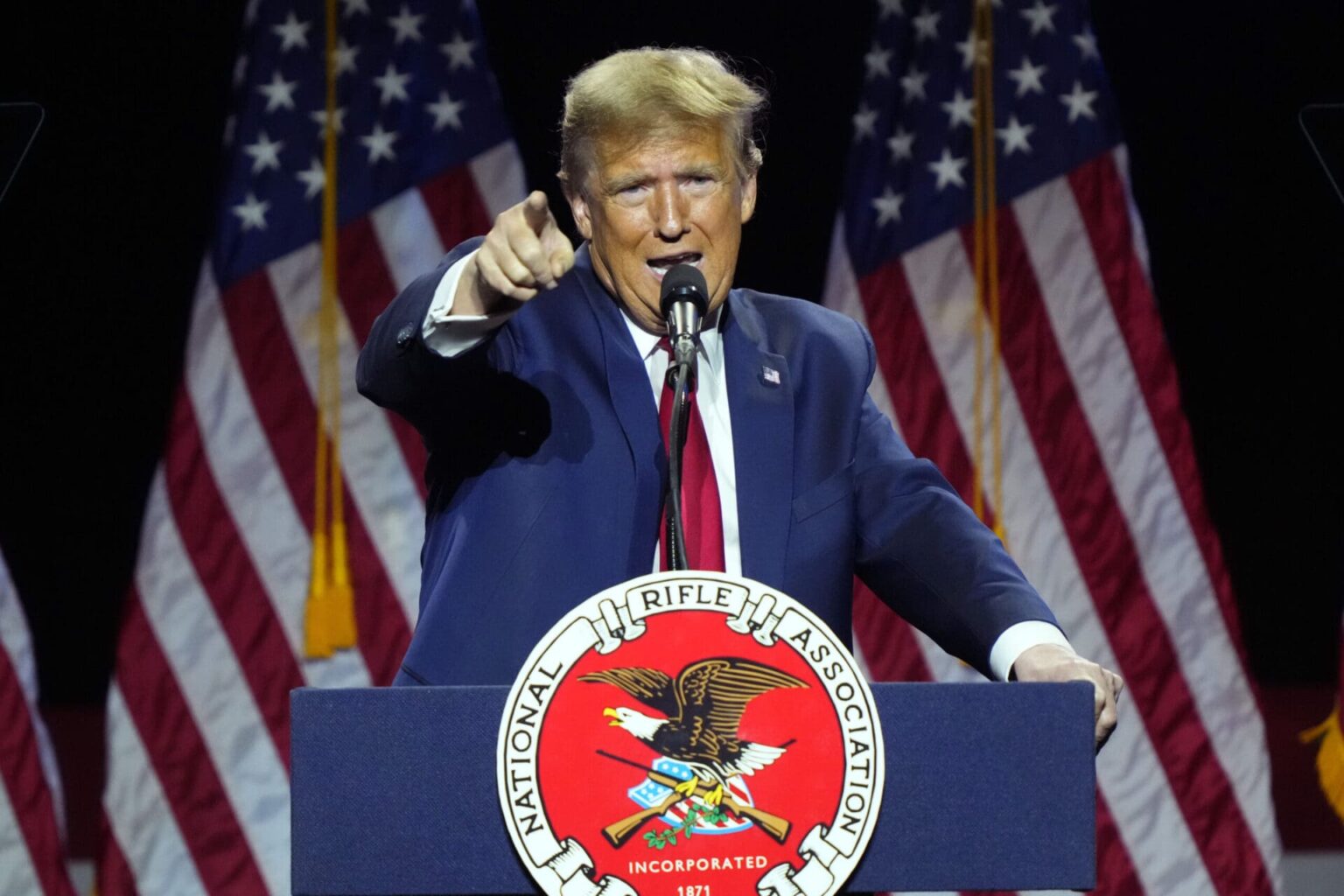
Why Trump Touts National Reciprocity And Why Anti‑Gun Groups Answer With Gloom‑And‑Doom Lies
Gregg Kielma-Tactical K Training and Firearms
7/8/2026
The debate over national concealed‑carry reciprocity has become yet another example of how polarized and dishonest America’s gun‑control conversation has grown. When Donald Trump speaks about national reciprocity, he frames it as a matter of fairness, constitutional consistency, and basic respect for law‑abiding citizens. And from my perspective, he’s right. If my concealed‑carry permit is valid in my home state earned through background checks, training, and legal compliance it shouldn’t magically become meaningless the moment I cross a state line.
But instead of engaging with that argument honestly, anti‑gun groups respond with the same recycled fearmongering they’ve used for decades. They paint national reciprocity as some apocalyptic scenario where chaos erupts, criminals run wild, and society collapses. It’s the same script they use every time responsible gun owners push for their rights: exaggeration, emotional manipulation, and worst‑case hypotheticals presented as inevitable truth.
The Reality Anti‑Gun Groups Refuse to Admit
The people who would benefit from national reciprocity are not criminals. They are not reckless. They are not the ones driving gun violence statistics. They are the individuals who already passed background checks, completed training, and demonstrated responsibility. These are the people who carry to protect themselves and their families not to intimidate, threaten, or harm.
Anti‑gun organizations know this. They know national reciprocity applies to vetted permit holders, not dangerous offenders. Yet they continue to push the narrative that expanding the rights of responsible citizens somehow empowers criminals. It’s a dishonest argument, and it’s designed to scare people who don’t know the difference between lawful carry and unlawful possession.
The “Blood in the Streets” Myth Never Materializes
Every time a state adopts shall‑issue permitting, constitutional carry, or expanded self‑defense protections, gun‑control groups predict disaster. They warn of shootouts over parking spaces, vigilante violence, and skyrocketing crime. And every time, those predictions fail to materialize.
The same pattern is happening now with national reciprocity. Instead of acknowledging decades of evidence showing that concealed‑carry permit holders are overwhelmingly law‑abiding often more so than the general population anti‑gun groups cling to their gloom‑and‑doom talking points.
Why National Reciprocity Matters to Me
From my perspective, this isn’t just a policy debate. It’s about consistency, fairness, and respect for constitutional rights. I don’t lose my freedom of speech when I travel. I don’t lose my right to due process. I don’t lose my right to privacy. Yet somehow, gun‑control activists believe my Second Amendment rights should evaporate the moment I cross a state border.
National reciprocity simply ensures that responsible citizens aren’t turned into accidental criminals because of a patchwork of inconsistent state laws. It protects people who already follow the rules. It acknowledges that self‑defense doesn’t stop at the state line.
The Bottom Line
Trump’s support for national reciprocity reflects a straightforward principle: constitutional rights should not be confined by geography. Anti‑gun groups respond with fear because fear is the only tool they have left. Their predictions of catastrophe are not based on evidence they’re based on ideology.
As a law‑abiding gun owner, I’m tired of being demonized. I’m tired of being told that my responsibility, training, and compliance don’t matter. And I’m tired of watching anti‑gun organizations distort reality to scare the public.
National reciprocity isn’t dangerous. Dishonesty is.