Training and Conservation: Why Skill and Stewardship Must Go Hand in Hand
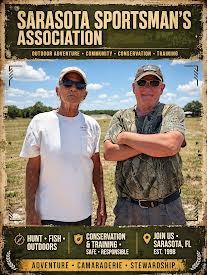
Training and Conservation: Why Skill and Stewardship Must Go Hand in Hand
By Gregg Kielma Tactical K Training and Firearms
9/5/2026
Training and conservation are often talked about as separate worlds one focused on developing people, the other focused on protecting land, wildlife, and natural resources. In reality, they’re inseparable. Any community built around responsible firearms use, outdoor skills, or personal preparedness ultimately depends on the health of the environment where those skills are practiced. Good training doesn’t just make people more capable; it makes them better stewards of the places they rely on.
Training Builds Respect for the Environment
Whether someone is learning marksmanship, situational awareness, or basic first aid, the training environment shapes their mindset. A well‑run range or outdoor training space teaches more than technique it teaches respect. Students quickly learn that safety, discipline, and awareness extend beyond the firing line. They begin to understand that the land itself is part of the training process. When people train in a space that’s cared for, they naturally adopt that same standard.
This is why responsible instructors emphasize stewardship. A clean range, maintained berms, proper waste disposal, and respect for wildlife aren’t just “nice to have” they’re part of the culture. When students see that level of care, they carry it forward.
Conservation Protects the Future of Training
Conservation isn’t just about protecting wildlife; it’s about protecting access. Without healthy land, responsible training becomes harder to sustain. Overdeveloped areas mismanaged public lands, and environmental neglect all shrink the spaces where people can safely learn and practice. Conservation ensures that future generations have the same opportunities to train, explore, and grow.
For private ranges, conservation is even more personal. Managing land responsibly controlling erosion, maintaining vegetation, protecting water sources, and respecting local ecosystems keeps the property safe, functional, and sustainable. It’s not just environmentalism; it’s long‑term range management.
A Shared Responsibility
Training teaches people how to act with intention. Conservation teaches people why that intention matters. When the two come together, you get a community that values capability and responsibility equally.
Shooters who pick up brass because they respect the land.
Hunters who understand that ethical harvest depends on healthy wildlife populations.
Students who learn that preparedness includes caring for the environment they depend on.
Instructors who model stewardship as part of their curriculum, not an afterthought.
This mindset strengthens the entire community. It builds trust with neighbors, landowners, and local agencies. It shows that responsible training isn’t just about skill it’s about character.
The Path Forward
The future of training will depend on how well instructors and students embrace conservation as part of their identity. That means:
Maintaining clean, safe training environments
Supporting local conservation efforts
Respecting wildlife and natural habitats
Teaching stewardship alongside safety and fundamentals
Understanding that capability without responsibility is incomplete
When people train with respect for the land, they become better shooters, better outdoorsmen, and better citizens. Conservation isn’t a separate mission it’s part of the same commitment to responsibility that defines good training.