This One is Difficult for Me and Parents, The Hard Question: Is Your Son or Daughter a Mass Shooter? How can we, you spot this? Are There Any Signs?
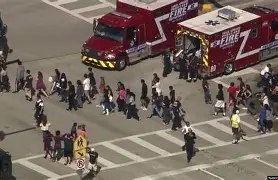
This One is Difficult for Me and Parents, The Hard Question: Is Your Son or Daughter a Mass Shooter? How Can We, You Spot This? Are There Any Signs?
Gregg Kielma Tactical K Training and Firearms
10/18/2026
This One is Difficult for Me and Parents: The Hard Question: Is Your Son or Daughter a Mass Shooter? How Can, We, You Spot This? Are There Any Signs?
First truth: there is no “mass shooter profile”
There is no single trait or checklist that can definitively tell you, “My kid will be a mass shooter.” Most kids who are angry, bullied, depressed, obsessed with guns, or socially isolated do not go on to commit mass violence. But some patterns especially when they stack together should ring alarm bells and trigger action, not denial.
My goal isn’t to label a child as a monster. The goal is to spot risk, intervene early, and get them help.
Concerning patterns to watch. None of these alone mean “future killer.” Together, escalating, and ignored—they can be dangerous.
Intense grievance and obsession with injustice. A fixation on being wronged, humiliated, or “betrayed,” paired with fantasies of payback or “making them all pay.”
Violent fantasies, talk, or “jokes” that aren’t really jokes . Comments about shooting people, attacking a school, “going out in a blaze of glory,” or detailed talk about how they’d do it. Creating notes, videos, or documents about future violence is a major red flag.
Obsession with past shooters or attacks. Admiring, studying, or identifying with previous mass shooters; collecting info, videos, manifestos, or seeing them as heroes or role models.
Rapid, unhealthy change in behavior or worldview. Sudden isolation, dropping hobbies, worsening school/work performance, angry outbursts, cruelty, or a hardened “us vs. them” mindset especially after a big life stressor (breakup, job loss, bullying, discipline).
Suicidal thinking mixed with outward rage. Many mass shooters are suicidal before or during the attack. When “I don’t care if I live” meets “I want them to suffer,” risk goes up fast.
Unhealthy interest in weapons plus grievance. Interest in firearms alone is not a warning sign. But new or secretive interest in weapons, combined with violent talk, planning, or grievance, is different. That’s when access and intent start to intersect.
History of severe abuse, neglect, or untreated mental illness. Many perpetrators have long histories of trauma, instability, and untreated or minimized mental health issues. When families deny or hide serious symptoms, risk can grow in the dark.
What parents should do if they’re worried
If you’re asking this question, you already feel something. Don’t ignore that.
Take your instincts seriously, don’t explain them away
If something feels off, you don’t need “proof” to act. Trust the discomfort.Lock down access to weapons!!!!!!
Secure firearms: locked, unloaded, separate from ammo, with you controlling access. If you’re truly worried about violence or suicide, consider temporarily removing access entirely (storage with a trusted person or facility, depending on local law).
Have a direct, calm, non-accusatory conversation “You seem really angry and hopeless lately. I’m not here to judge you, I’m worried about you.” Ask about suicidal thoughts, violent thoughts, and specific grievances. You’re not “putting ideas in their head” you’re surfacing what might already be there.
Get professional mental health help quickly if needed. If there is talk of harming self or others, or you see planning behavior, this is emergency-level: crisis line, ER, or urgent psychiatric evaluation. Don’t let stigma or pride stop you. You’d rather be “overreacting” than attending a funeral.
Loop in trusted adults and systems. School counselors, administrators, coaches, religious leaders, people who see your child in other environments. If there are specific threats, plans, or steps taken toward an attack, contact law enforcement or your local FBI field office.
Address isolation and crisis, not just behavior Help them reconnect with safe peers, meaningful activities, and a sense of future. Work on the underlying crisis: bullying, humiliation, breakup, job loss, disciplinary trouble, identity struggles.
What this conversation is not
This is not about turning every angry teen into a suspect or every gun-owning family into a headline. It’s about:
Noticing when anger, despair, and obsession start to fuse into something darker.
Refusing to minimize serious warning signs because “they’d never do that.”
Choosing intervention over silence.
Kielma's Final Thoughts: Are you personally scared about your own kid?
If you want, you can tell me a bit more about what you’re seeing, specific behaviors, comments, changes and we can walk through which pieces feel most urgent and what concrete next steps you could take this week.