Should the AR‑15 Be Banned? My Answer Is No
Should the AR‑15 Be Banned? My Answer Is No
Gregg Kielma-Tactical K Training and Firearms
7/10/2026
The debate over the AR‑15 has become one of the most emotionally charged issues in American politics, but emotion alone shouldn’t drive national policy. When I look at the facts, the history, and the principles at stake, I come to a clear conclusion: the AR‑15 should not be banned. The conversation deserves more nuance than slogans or fear‑based narratives, and it requires acknowledging what the AR‑15 is and what it isn’t.
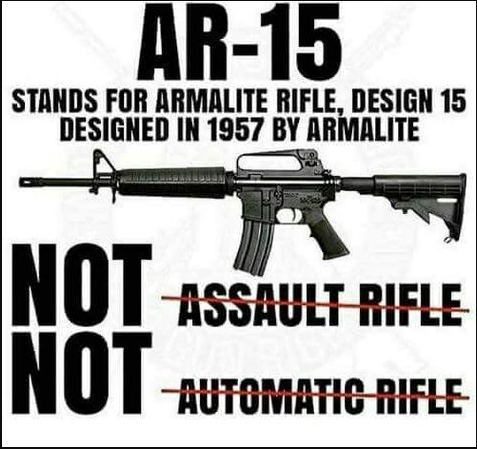
First, the AR‑15 is not the military weapon many people assume it to be. It is a semi‑automatic rifle, meaning it fires one round per trigger pull, just like countless other firearms owned by millions of Americans. It is mechanically similar to many hunting rifles and less powerful than some traditional sporting calibers. The term “assault weapon” has no consistent technical definition; it’s a political label applied to firearms based largely on appearance rather than function. Banning a gun because it “looks scary” is not sound policy.
Second, responsible gun owners make up the overwhelming majority of AR‑15 users. They use the rifle for sport shooting, home defense, training, and competition. Millions of people own AR‑15s without ever committing a crime. Punishing law‑abiding citizens for the actions of criminals is not justice it’s political theater. If the goal is reducing violence, then the focus should be on the individuals who commit violent acts, not on the millions who don’t.
Third, the AR‑15 has become a symbol of a deeper issue: the right of Americans to own firearms suitable for self‑defense. The Second Amendment is not about hunting; it is about ensuring citizens have the ability to protect themselves and their families. A ban on the AR‑15 would set a precedent for banning other commonly owned firearms, inching toward a future where only the government and criminals are armed. That is a future I do not support.
Finally, banning the AR‑15 would not address the root causes of violence. Mental health failures, social isolation, lack of early intervention, and failures in enforcement all play a far greater role than the specific tool used. Focusing on the rifle allows policymakers to avoid confronting harder, more complex problems. Real solutions require investment in prevention, enforcement of existing laws, and a serious commitment to identifying threats before they escalate.
In the end, the AR‑15 is not the problem. The problem is violence, and violence is driven by people—not by inanimate objects. A ban would be a symbolic gesture that sacrifices the rights of millions while doing little to improve public safety. For these reasons, I believe the AR‑15 should not be banned, and the national conversation should shift toward solutions that actually make a difference.