Legal Status: When 3D‑Printed Guns Are (and Aren’t) Legal
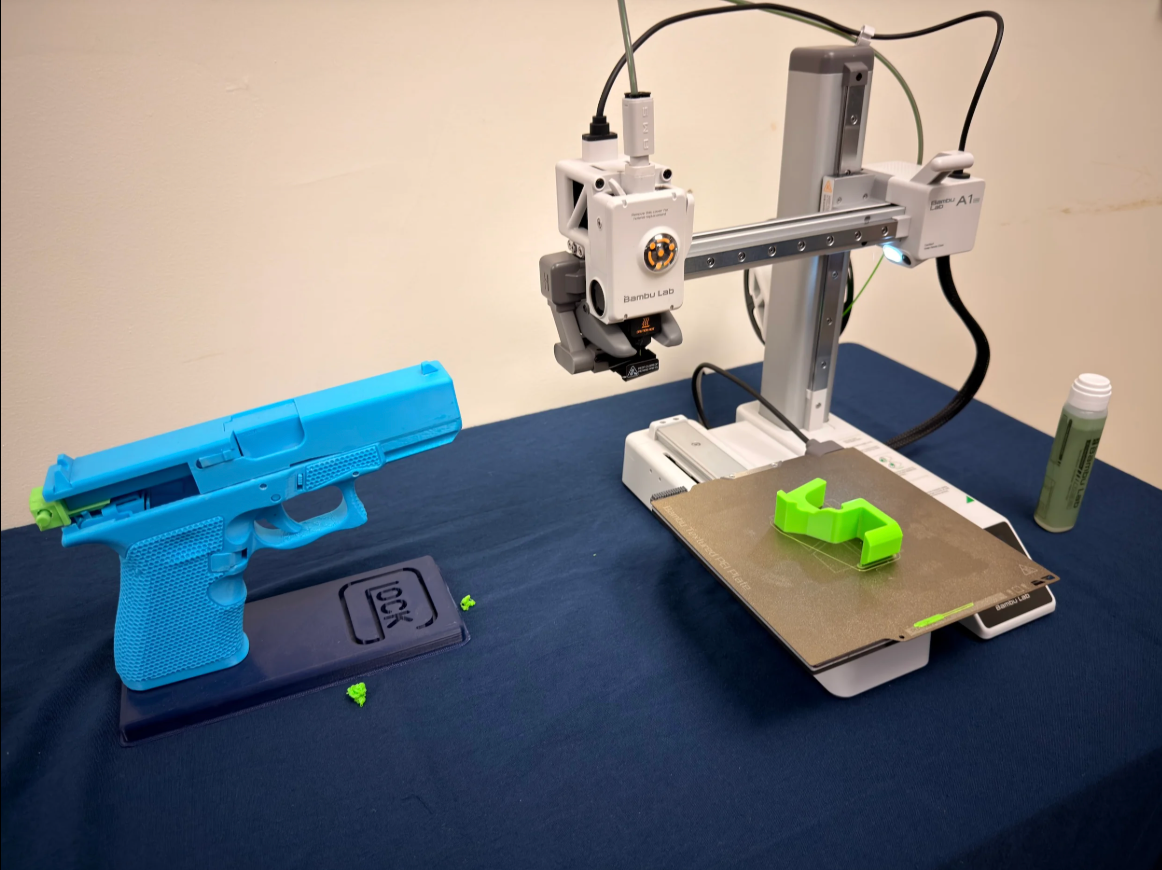
Legal Status: When 3D‑Printed Guns Are (and Aren’t) Legal
Federal Law
Under U.S. federal law, a law‑abiding adult may manufacture a firearm at home including via 3D printing for personal use. This right predates modern 3D printing and comes from the Gun Control Act of 1968. However, several strict conditions apply:
The gun cannot be sold without a Federal Firearms License (FFL).
The gun must not be undetectable, meaning it must contain at least 3.7 ounces of metal to comply with the Undetectable Firearms Act.
The builder cannot be a prohibited person (felon, domestic violence conviction, etc.).
If the firearm qualifies as an NFA item (short‑barreled rifle, suppressor, etc.), it must follow all NFA rules.
State Laws
This is where things get complicated.
Several states including California, New York, and others have outright bans on unserialized or 3D‑printed firearms. Some states criminalize possession of a printed gun even if federal law allows it.
Other states require:
Serialization of any homemade firearm
Registration
Background checks for certain components
Because laws vary widely, a 3D‑printed gun can be legal federally but a felony at the state level.
Law Enforcement Trends
Police departments nationwide are increasingly seizing 3D‑printed guns and charging individuals under ghost‑gun statutes. For example, California authorities arrested suspects possessing 3D‑printed handgun components and unserialized firearms—charges ranging from misdemeanors to felonies.
Safety: Are 3D‑Printed Guns Safe?
Material Weakness
Most consumer‑grade 3D‑printed guns use plastics like PLA or ABS, which are not designed to withstand the heat and pressure of firing a round. These materials:
Warp under heat
Crack under pressure
Fail unpredictably
This leads to misfires, ruptured barrels, and catastrophic failures that can injure the shooter.
Poor Quality Control
Unlike commercial firearms, 3D‑printed guns have:
No standardized testing
No quality assurance
No regulated manufacturing process
Even small imperfections in printing or assembly can cause dangerous malfunctions.
Assembly Challenges
Many designs require mixing printed parts with metal components. Without advanced mechanical skill, the firearm may be assembled incorrectly, increasing the risk of misfires or explosions.
Durability
Even the “better” hybrid designs have short lifespans. Many break after only a few shots. Some models can fire multiple rounds, but reliability is inconsistent and unpredictable.
Public Safety & Crime Concerns
3D‑printed guns are often unserialized, making them untraceable “ghost guns.” This complicates criminal investigations and has led to increased regulation.
They have been used in:
Homicides
Extremist plots
Teen violence
International conflict zones
Law enforcement agencies worldwide warn that the ease of downloading blueprints and printing components poses a growing threat.
Kielma's Final Thought:
Are 3D‑printed guns legal?
Sometimes. Federally, yes—if detectable, not for sale, and made by a non‑prohibited person.
State laws vary dramatically. In many states, they are illegal or heavily restricted.
Are they safe?
Generally, no. Most 3D‑printed guns are structurally weak, unreliable, and prone to dangerous failures. Even advanced designs lack the durability and testing of commercial firearms.