Kielma's Opinion: Is a Suppressor Right for You? My Perspective as a Responsible Gun Owner
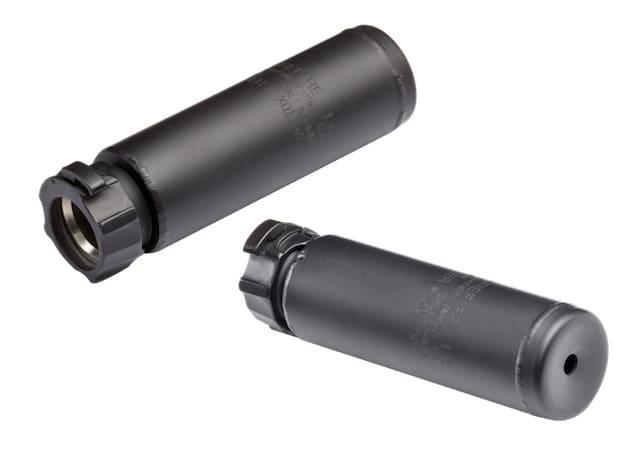
Is a Suppressor Right for You? My Perspective as a Responsible Gun Owner
When people hear the word suppressor, they often picture Hollywood silencers and spy‑movie nonsense. In reality, a suppressor is simply a safety tool one designed to reduce hearing damage, improve communication, and make shooting more controlled and comfortable. As a firearms instructor and a believer in responsible gun ownership, I think every shooter should at least understand what suppressors actually do, what they don’t do, and what the law requires before deciding if one is right for them.
Why Consider a Suppressor?
A suppressor doesn’t make a gun “silent.” It reduces the decibel level to something safer and more manageable. For many shooters, that alone is worth it.
Hearing protection: Even with ear pro, repeated exposure to gunfire damages hearing. A suppressor dramatically reduces that risk. Better communication: On the range or in training, being able to talk without shouting improves safety and instruction. Reduced recoil and muzzle blast: This helps new shooters build confidence and helps experienced shooters maintain control. Less disturbance to others: Whether you’re on private land or a public range, suppressors reduce noise pollution.
For me, a suppressor is simply another tool that supports safe, responsible firearm use. But deciding if it’s right for you means understanding the legal process and obligations that come with owning one.
Legal Considerations You Must Understand
Suppressors are legal in most states, but they’re regulated under federal law. Owning one is absolutely possible for a law‑abiding citizen, but it requires patience, paperwork, and compliance.
1. The National Firearms Act (NFA)
Suppressors are classified as NFA items. That means you must go through the ATF approval process before taking possession.
2. The ATF Form 4 Process
To legally purchase a suppressor, you must:
Submit an ATF Form 4. Provide fingerprints and a photo. Pay the $200 tax stamp. Pass a federal background check. Wait for approval (often several months)
Once approved, the suppressor is registered to you or your trust.
3. Individual vs. Trust Ownership
You can register a suppressor: As an individual. Through a firearms trust
A trust allows multiple responsible parties to legally possess the suppressor. For some families or training environments, that flexibility matters.
4. Transportation and Possession Rules
You must comply with: Federal NFA rules. Your state’s laws. Any state you travel through
Some states prohibit suppressors entirely. Others allow ownership but restrict hunting use. Knowing your local laws is non-negotiable.
5. No Unauthorized Transfers
You cannot loan, gift, or let someone else possess your suppressor unless they are legally listed on your trust. Unauthorized possession is a serious federal offense.
6. Storage and Security
As with any regulated item, secure storage is part of responsible ownership. A suppressor should be locked up just like any firearm.
Kielma's Final Thoughts: Is a Suppressor Right for You?
If you value hearing protection, better training environments, reduced recoil, and more comfortable shooting, a suppressor is absolutely worth considering. But it’s not a casual purchase. It requires commitment to the legal process, respect for federal regulations, and responsible storage and use.
For me, suppressors represent the kind of firearm accessory that actually enhances safety not just performance. If you’re a law‑abiding citizen who takes training and responsibility seriously, a suppressor can be one of the best investments you make in your shooting experience.