Gun Buy Backs, What Are They and Do They Really Work
Gun Buy Backs, What Are They and Do They Really Work
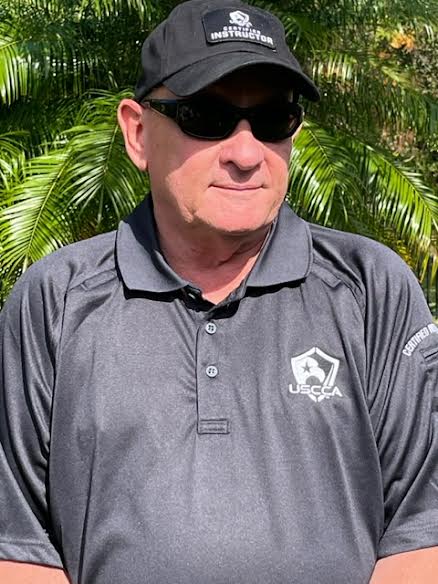
Gregg Kielma Tactical K Training and Firearms
10/18/2026
Gun buybacks are simple on the surface: a city or county offers cash or gift cards for anyone willing to turn in a firearm, no questions asked. But when you dig into the data, the story gets a lot more complicated and as someone who teaches firearms safety for a living, I look at these programs through a very practical lens.
My Thoughts, Let's Take a LOOK
Gun buybacks sound good politically because they create the impression that something is being done about gun violence. They’re easy to advertise, they’re voluntary, and they give people a way to dispose of unwanted guns without hassle. But when you look at the research, the effectiveness of these programs is extremely limited.
What gun buybacks actually do
They remove a tiny fraction of guns from a community often older, broken, or low‑value firearms.
They offer anonymity, which means people can turn in guns without fear of legal consequences.
They can serve as public outreach events, giving law enforcement a chance to talk about safe storage and violence prevention.
Do they reduce crime or violence?
The short answer: No, not in any measurable way.
Decades of research, including recent studies show that gun buybacks do not reduce gun crime, homicides, or suicides.
Older studies from the 1990s found them ineffective, and newer studies only show slightly more mixed results when buybacks are paired with broader violence‑reduction strategies. But on their own, they don’t move the needle. One major reason: the guns turned in are almost never the types used in violent crime. Criminals aren’t trading in their working guns for a $100 gift card.
Why they remain popular
Even though they don’t reduce violence, buybacks continue because:
They’re cheap compared to other programs.
They’re locally controlled and easy to run.
They make communities feel like action is being taken.
Politicians get a visible, low‑risk “win.”
My professional perspective
As a Firearms Instructor, FFL, Security Consultant and First Aid Fundamentals Instructor, I see buybacks as symbolic. They’re not harmful, but they’re not a solution. If a buyback keeps one gun out of the hands of a child or prevents one suicide, that’s meaningful, but those outcomes are extremely hard to measure.
Real change comes from:
Training
Safe storage education
Community engagement
Targeted policing of actual offenders
Mental health support
Gun buybacks are a feel‑good gesture, not a strategy.
Kielma's Bottom line
Gun buybacks don’t reduce gun violence in any measurable way, but they do offer a safe disposal option and a chance for community outreach. As I've said all a long, they’re fine as a supplemental tool but they should never be sold as a serious crime‑reduction strategy.