Gregg Kielma Explains the Difference Between a Revolver and Semi-Automatic Handgun
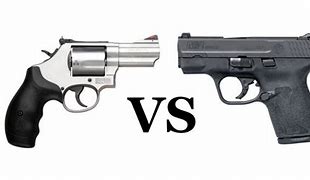
Gregg Kielma Explains the Difference Between a Revolver and Semi-Automatic Handgun
Gregg Kielma Tactical K Training and Firearms
10/7/2026
When I teach students the difference between a revolver and a semi‑automatic handgun, I emphasize that these are two fundamentally different mechanical philosophies. A revolver is built around a rotating cylinder that contains multiple chambers, each holding a single cartridge. When the shooter cocks the hammer or presses the trigger depending on whether it’s single‑action or double‑action the cylinder indexes to the next chamber and locks into alignment with the barrel. The firing sequence is entirely mechanical, driven by springs, levers, and the shooter’s own input. Because the design doesn’t rely on recoil or gas pressure to function, a revolver can fire reliably from inside a pocket, pressed against an object, or in situations where a semi‑auto might be pushed out of battery. Revolvers also tolerate a wide range of ammunition power levels without compromising function, which is why they remain popular for heavy calibers like .357 Magnum, .44 Special, and .45 Colt. Their limitations are equally clear: lower capacity, slower reloads, and a trigger pull especially in double‑action—that demands more discipline and strength.
A semi‑automatic handgun operates on a completely different cycle. It uses a detachable magazine to feed ammunition upward into the chamber, and the energy of the fired round cycles the slide. That movement extracts and ejects the spent casing, resets the firing mechanism, and chambers the next round. This self‑loading process gives semi‑autos several advantages: higher capacity, faster reloads, and quicker follow‑up shots due to shorter, lighter trigger pulls. Modern semi‑autos also incorporate features like striker‑fired systems, modular frames, optics‑ready slides, and improved ergonomics that make them adaptable to a wide range of shooters and missions. But they come with their own set of vulnerabilities. A semi‑auto can malfunction if the shooter doesn’t provide a stable platform what people call “limp‑wristing” and the slide can be pushed out of battery during close‑contact encounters. Ammunition selection matters more, because the gun’s cycling depends on consistent pressure and recoil. Environmental factors like mud, fine sand, or debris can interfere with the feed path or slide movement in ways a revolver simply doesn’t experience.
From a training perspective, the difference isn’t just mechanical it’s philosophical. Revolvers reward deliberate, disciplined shooting and excel in roles where simplicity and reliability outweigh capacity. Semi‑autos reward efficiency, speed, and modern defensive tactics, offering more rounds and faster recovery between shots. Neither platform is “better” in a vacuum; each has strengths and weaknesses that matter depending on the shooter’s skill, the environment, and the mission. As an instructor, my job is to make sure people understand not just how these systems work, but why those differences matter when the stakes are real.