Firearms and Firearm Protection of the Future: Directed‑Energy Weapons (DEWs)
Firearms and Firearm Protection of the Future: Directed‑Energy Weapons (DEWs)
Gregg Kielma- Tactical K Training and Firearms
8/13/2026
The real future: Directed‑Energy Weapons (DEWs)
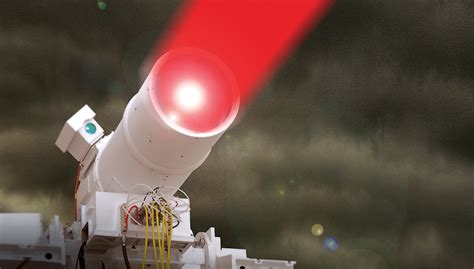
The most meaningful developments aren’t “blasters” or sci‑fi rifles they’re high‑energy lasers (HEL) and high‑power microwave (HPM) systems. These are already in service with major militaries.
High‑Energy Lasers (HEL)
HELs use concentrated electromagnetic energy to burn, melt, or structurally fail a target. They’re now operational:
Israel’s Iron Beam (Or Eitan / Laser Dome) A 100‑kilowatt laser system delivered in late 2025. It destroys rockets, mortars, cruise missiles, and drones at ~10 km. Cost per shot is only a few dollars in electricity.
U.S. Navy HELIOS A ~60‑kilowatt laser mounted on the USS Preble, integrated with Aegis, used to shoot down drones. It’s the first permanent high‑energy laser on an active warship.
U.S. Army IFPC‑HEL & DE M‑SHORAD Ground‑based laser systems for counter‑rocket, artillery, mortar, and drone defense. These are part of the Army’s directed‑energy roadmap.
High‑Power Microwave (HPM)
Instead of burning targets, HPM weapons fry electronics over a wide area.
THOR (Tactical High‑Power Operational Responder) A U.S. Air Force system designed to disable drone swarms using microwave bursts.
Phaser HPM Another U.S. counter‑drone microwave system.
These systems are real, deployed, and rapidly advancing.
Why militaries are investing heavily
Directed‑energy weapons solve several modern problems:
Cost per shot: A few dollars vs. $100k+ for interceptors.
Speed‑of‑light engagement: No ballistic travel time.
Deep magazines: If you have power, you can keep firing.
Drone swarms: Lasers and microwaves are ideal for mass, cheap threats.
Will handheld laser rifles exist?
Here’s the honest, physics‑based answer:
What’s stopping them?
Power requirements Current battlefield lasers need tens to hundreds of kilowatts. A rifle‑sized power source simply doesn’t exist.
Thermal management Lasers generate enormous heat. Even vehicle‑mounted systems struggle with cooling.
Atmospheric interference Dust, fog, smoke, humidity, and turbulence scatter or weaken laser beams.
Battery technology We’re orders of magnitude away from portable energy storage for lethal laser output.
What might happen first
Non‑lethal dazzlers (already exist)
Short‑range anti‑drone laser carbines (vehicle‑tethered)
Industrial laser weapons for breaching or EOD
Hybrid weapons: conventional firearms with integrated laser dazzlers or sensors
But a true “laser gun” replacing firearms is not foreseeable in the next several decades.
The future of firearms (realistic trajectory)
1. Smart weapons & fire control
Integrated optics with AI‑assisted aiming
Ballistic computers in compact packages
Networked targeting systems
2. Caseless & hybrid ammunition
Lightweight, higher‑capacity magazines
Reduced heat and mechanical wear
3. Electromagnetic propulsion
Railguns (already tested by navies)
Coil‑accelerated small‑arms (still experimental)
4. Materials & ergonomics
Polymer receivers
Carbon‑fiber barrels
Recoil‑mitigation systems
5. Directed‑energy support systems
Vehicle‑mounted lasers for perimeter defense
Microwave anti‑drone systems integrated into infantry units
Kielma’s Bottom line
Militaries already use real laser weapons, but they’re large, power‑hungry, and defensive.
Handheld laser guns are not coming soon physics is the bottleneck, not imagination.
Firearms will evolve, but they won’t be replaced; instead, they’ll coexist with directed‑energy systems.