Civil Unrest: What Civil Unrest Could Look Like if the United States Went Bankrupt — And How People Can Protect Themselves
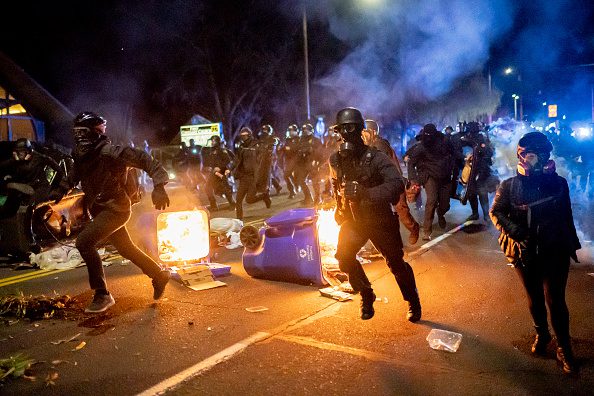
What Civil Unrest Could Look Like if the United States Went Bankrupt and How People Can Protect Themselves. My Thoughts.
By Gregg Kielma-Tactical K Training and Firearms
7/26/2026
This is why we train and are prepare, if the United States ever reached true national bankruptcy a complete inability to service its debt, pay federal obligations, or stabilize its currency the resulting civil unrest wouldn’t look like a single event. It would unfold in my opinion in phases, each one more disruptive than the last. As a firearms instructor and someone who thinks seriously about personal responsibility, I believe the real danger wouldn’t come from government collapse alone, but from the cascading social failures that follow.
This isn’t about fear‑mongering. It’s about understanding how fragile modern systems really are, and how everyday Americans can prepare themselves with discipline, skill, and a calm mindset.
Phase 1: Economic Shock and Panic
If the U.S. declared bankruptcy, the first wave of unrest would come from financial paralysis.
Banks would freeze withdrawals.
Credit markets would lock up.
The dollar would lose value rapidly.
Supply chains would seize almost overnight.
People don’t riot because of ideology they riot because they can’t get food, fuel, or medicine. Panic buying would turn into panic fighting. Urban centers would feel it first, but the shock would ripple everywhere.
Phase 2: Government Strain and Localized Disorder
Federal agencies would struggle to maintain order. State governments would try to fill the gap, but they’d be overwhelmed by:
Unpaid public workers
Shortages of essential goods
Rising crime driven by desperation
Protests turning into riots
Opportunistic criminal groups exploiting chaos
Law enforcement would be stretched thin. Response times would collapse. In some areas, police presence might disappear entirely. This is where civil unrest becomes a daily reality rather than a headline.
Phase 3: Community Fragmentation
When institutions fail, people fall back on family, neighborhood, ideology, or criminal networks. You’d see:
Neighborhoods forming their own security groups
Armed gangs claiming territory
Roadblocks and checkpoints
Looting of abandoned or unprotected businesses
Conflict between desperate civilians and organized criminals
The biggest threat wouldn’t be a foreign enemy. It would be the breakdown of social trust.
How People Can Defend Themselves—Realistically and Responsibly
Defense in a national bankruptcy scenario isn’t just about weapons. It’s about preparation, awareness, and community.
1. Strengthen Your Immediate Circle
No one defends themselves alone. The most effective protection comes from:
Family
Trusted neighbors
Small, disciplined groups
A coordinated group can secure resources, share skills, and maintain watch rotations. Lone individuals become easy targets.
2. Build Practical Skills, Not Fantasy Tactics
People imagine Hollywood-style firefights. Reality is quieter and more disciplined.
The skills that matter most:
Situational awareness
Conflict avoidance
Safe, lawful firearm handling
Basic medical training
Communication planning
Home hardening and entry control
A firearm is a tool. Skill is the real weapon.
3. Harden Your Home
Most threats in civil unrest come to you. A defensible home reduces risk dramatically.
Reinforced doors and locks
Exterior lighting
Cameras
Clear lines of sight
Secured windows
A plan for safe rooms and fallback positions
Defense is about making your home a hard target, not a battlefield.
4. Maintain Supplies Without Becoming a Target
Preparedness is smart—but broadcasting your preparedness is dangerous.
Keep:
Food and water for several weeks
Medical supplies
Backup power
Tools for repair and maintenance
But keep it discreet. In a crisis, advertising abundance invites conflict.
5. Stay Legally and Morally Grounded
Even in chaos, your actions define who you are. Defense should always be:
Proportional
Lawful
Necessary
Last-resort
You’re protecting life, not looking for a fight.
6. Train—Don’t Just Own
As a firearms instructor, I see the same mistake constantly: people buy equipment instead of building competence.
Training builds:
Confidence
Discipline
Judgment
Calm under pressure
In civil unrest, those traits matter more than caliber or magazine capacity.
Kielma's Final Thoughts
If the United States ever went bankrupt, the unrest wouldn’t be a single explosion—it would be a slow, grinding erosion of order. But people aren’t powerless. With preparation, skill, and a strong community, you can protect yourself and those you care about without slipping into panic or fantasy.
Preparedness isn’t paranoia. It’s responsibility.